


Beauty’s Recalibration: Why Authority, Trust, and Community Win in 2026
- Elise Burnett Boyd

- Jan 6
- 7 min read
Updated: Jan 7
The beauty industry is entering a quieter, but more meaningful, era.
After years of rapid brand launches, celebrity saturation, and trend-chasing, 2026 is shaping up to be a recalibration year. Consumers are more informed, more skeptical, and more selective than ever before. The brands and voices that will thrive are those rooted in expertise, performance, emotional intelligence, and genuine connection.
Here’s what’s defining beauty and marketing in 2026 and what it means for founders, marketers, and creators alike.
1. The Rise of the Expert Influencer



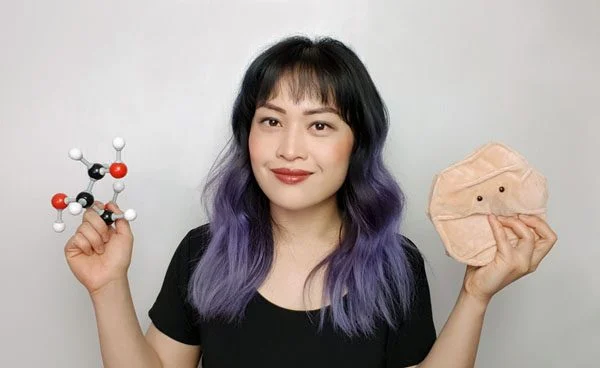
Javon Ford, Cosmetic Chemist and expert influencer, and Dr. Michelle Wong, Chem PhD, Cosmetic Chemist, and expert influencer. (@javonford16 and @labmuffinbeautyscience)
The era of aspirational fluff is fading. In its place: expert influencers—creators with deep, verifiable knowledge and real authority in their fields.
These are not lifestyle generalists. They are educators, specialists, and translators of complex information. In beauty, that means dermatologists, cosmetic chemists, trichologists, formulation experts, and highly informed cosmetologists and estheticians whose insights carry more weight than celebrity endorsements.
As consumers gain greater access to ingredient databases, formulation science, and clinical data, they’re demanding more than pretty packaging and promises. Reviews grounded in science, testing, and lived professional experience are now shaping purchasing decisions.
What defines an expert influencer in 2026:
Deep expertise: Years spent mastering a craft, not just building an audience
Educational value: Teaching, problem-solving, and context over promotion
Trust & credibility: Transparent opinions grounded in evidence
Authority: A clear point of view within a specific niche
Expert influencers build confidence instead of selling aspiration or aesthetically pleasing but hollow "vibes." In a saturated market, confidence converts.
2. Celebrity-Connected Brands (Not Celebrity-Faced Brands)
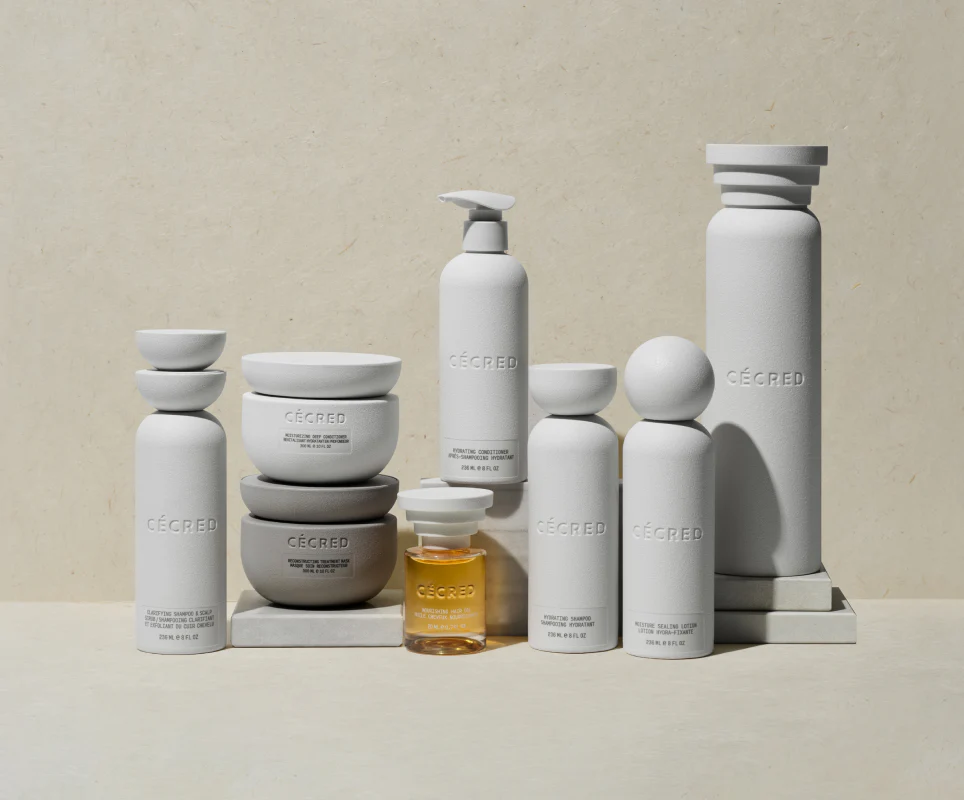
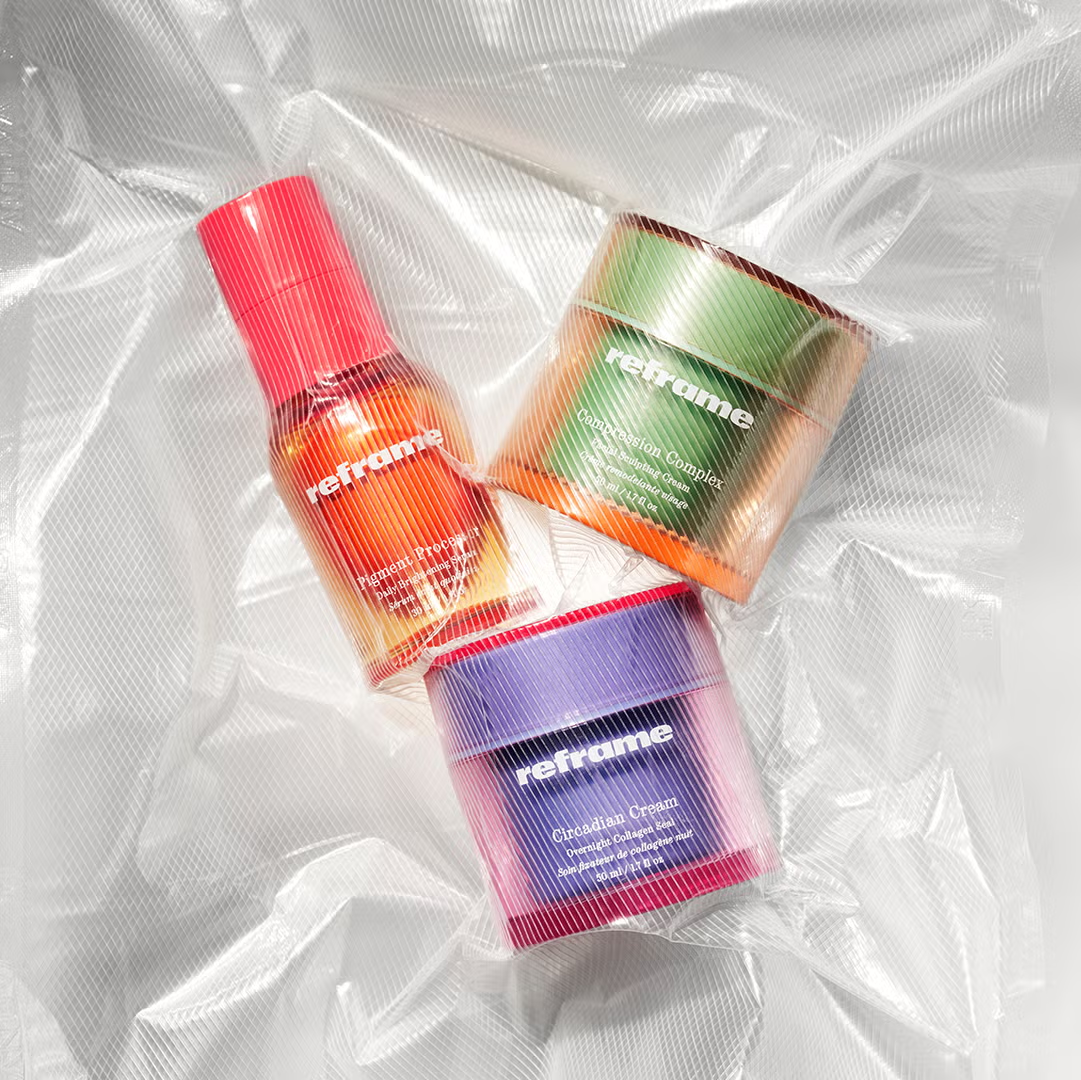
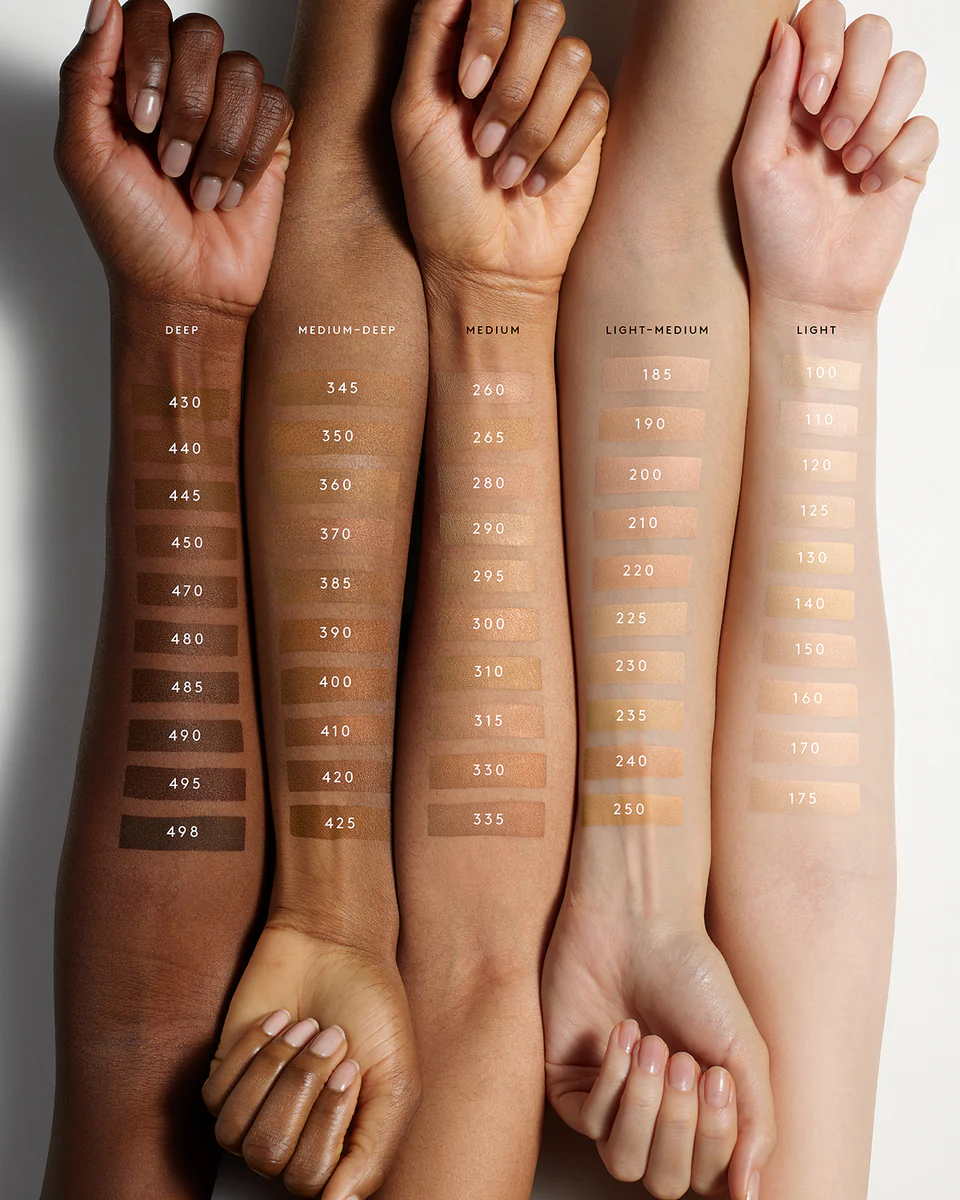
Images from Cecred, Reframe, and Fenty
Celebrity alone is no longer enough.
Consumers, especially Millennials and Gen Z, have become highly attuned to performance gaps, inflated pricing, and brands that rely on parasocial relationships rather than results. The expectation has shifted: if a celebrity is involved, the product must still earn trust through research, testing, and clear differentiation.
Some celebrity-backed brands are adapting well:
Cécred, founded by Beyoncé, has leaned heavily into third-party clinical studies, inclusive testing across hair types, and science-backed technology. Their emphasis on measurable outcomes—density, strength, damage reduction—signals a serious commitment to performance over image.
Reframe, created by Savannah James, partnered with Howard University for accredited clinical research across the Fitzpatrick scale; an uncommon but powerful move that reinforces credibility, inclusivity, and intention.
Fenty Beauty by Rihanna remains a standout example of success driven by a genuine market gap. Its launch disrupted the industry not because of fame, but because it solved a long-ignored problem: shade inclusivity.
The takeaway is clear: Celebrity involvement may open the door, but only thoughtful products, clear positioning, and real care will keep brands inside.
The era of “slap a name on it and it will sell” is over. And that’s a good thing.
3. Brands Are Launching, Consolidating, Closing, and Reimagining With Intention



We are seeing a necessary contraction.
Market saturation has made it increasingly difficult for brands to stand out, especially when many rely on the same language: clean, vegan, cruelty-free, sustainable, hydrated, authentic. When everyone says the same thing, none of it feels meaningful.
In 2026, brands are:
Streamlining product lines
Closing underperforming SKUs
Repositioning around clearer use-cases
Finding more grounded, human ways to stay connected to their audience
The recent closure of Ami Colé, founded by Diarrha N'Diaye-Mbaye, was felt deeply across the beauty industry. Ami Colé built a loyal following by centering melanin-rich skin, thoughtful formulations, and cultural nuance, proving that values-led brands do resonate.
Its closure, however, reflects a broader reality of the current market: even beloved brands with clear positioning and strong community can struggle to sustain themselves amid rising costs, retail pressure, and an oversaturated landscape. This moment isn’t about failure, but recalibration, and the growing need for business models that support longevity, amid a constantly changing financial and political landscape.
As the industry tightens, the brands best positioned to endure are those that build trust early and grow with intention; an approach that newer, emerging brands like Soft Rows are consciously prioritizing from the start.
In 2025–2026, we’re seeing emerging brands win not through celebrity endorsements or loud influencer campaigns, but by building in public and nurturing real community from the very beginning. Soft Rows, a haircare brand for "Texture-Rich" founded by Quani Burnett, is a standout example of this approach.
Soft Rows launched not as a faceless product line, but as a movement rooted in culture, self-care, and conversation. The brand was conceived from Burnett’s own journey with textured hair and her belief that haircare should be an act of self-nurture, not a chore; a philosophy she refers to as softness that extends beyond hair into identity and emotional well-being.
Rather than relying on broad demographic targeting or aspirational imagery alone, Soft Rows centered community before commerce. Before its formal product rollout, the founder began laying the groundwork by listening deeply; visiting beauty retailers, talking to stylists, and directly engaging with people whose hair stories had long been marginalized in mainstream beauty channels.
Soft Rows has also made community engagement integral to its identity:
A dedicated editorial platform and storytelling hub that shares culturally relevant narratives, hair wisdom, and diverse lived experiences, not just product promos.
Active social dialogue that invites the audience to explore what care means to them, not just what products to buy.
Pre-launch merchandise and content that built demand organically, while signaling that the brand exists with its community, not at them.
This community-first strategy served two purposes: it created emotional resonance before the product even hit the cart page, and it cultivated loyalty through invitation and shared identity, not transaction incentives alone.
In 2026, as consumer skepticism grows sharper, the Soft Rows story underscores a larger trend: brands that launch with people first , not products first, are the ones most likely to build advocates who stick around long after the first purchase.
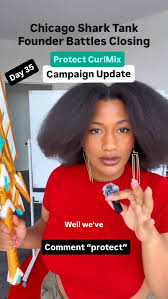
While Soft Rows shows how community can be built deliberately at launch, CurlMix illustrates what happens when that relationship is activated at scale when a brand faces pressure. When CurlMix founder Kim Lewis faced the possibility of closing the brand, she didn’t turn to polished crisis PR or influencer blitzes. Instead, she launched a transparent, time-bound goal: a 60-day social media campaign to reach 20,000 orders under the rallying cry #ProtectCurlMix.
What followed was not a traditional marketing campaign, but a real-time narrative. Kim documented the highs and lows of running the business, shared the emotional weight of the moment, explained what was at stake, and invited her community into the process rather than speaking at them, and they showed up.
That openness led to widespread organic reach, press interviews, increased brand visibility, and ultimately, the campaign goal being met. Her efforts generated over 20,000 orders, more than 10,000 new customers, helped pay down over $500,000 in debt, and created 4 new jobs. It will also sustain them through Q1 of 2026 and give them an opportunity to build on this momentum sustainably. The success can be credited to leveraged trust built over time, activated in a moment of truth. CurlMix succeeded not because of flawless branding or celebrity endorsement, but because the brand had already established credibility, consistency, and a genuine relationship with its consumer base. When Kim asked for support, the community understood why it mattered and responded.
In 2026, this kind of marketing is becoming the blueprint. Consumers aren’t looking to be impressed, but to feel genuinely included, respected, and emotionally invested. Brands that can show their work, tell the truth, and invite their audience into the journey, not just the outcome, are the ones that will endure.
4. All Six Senses Are on Deck
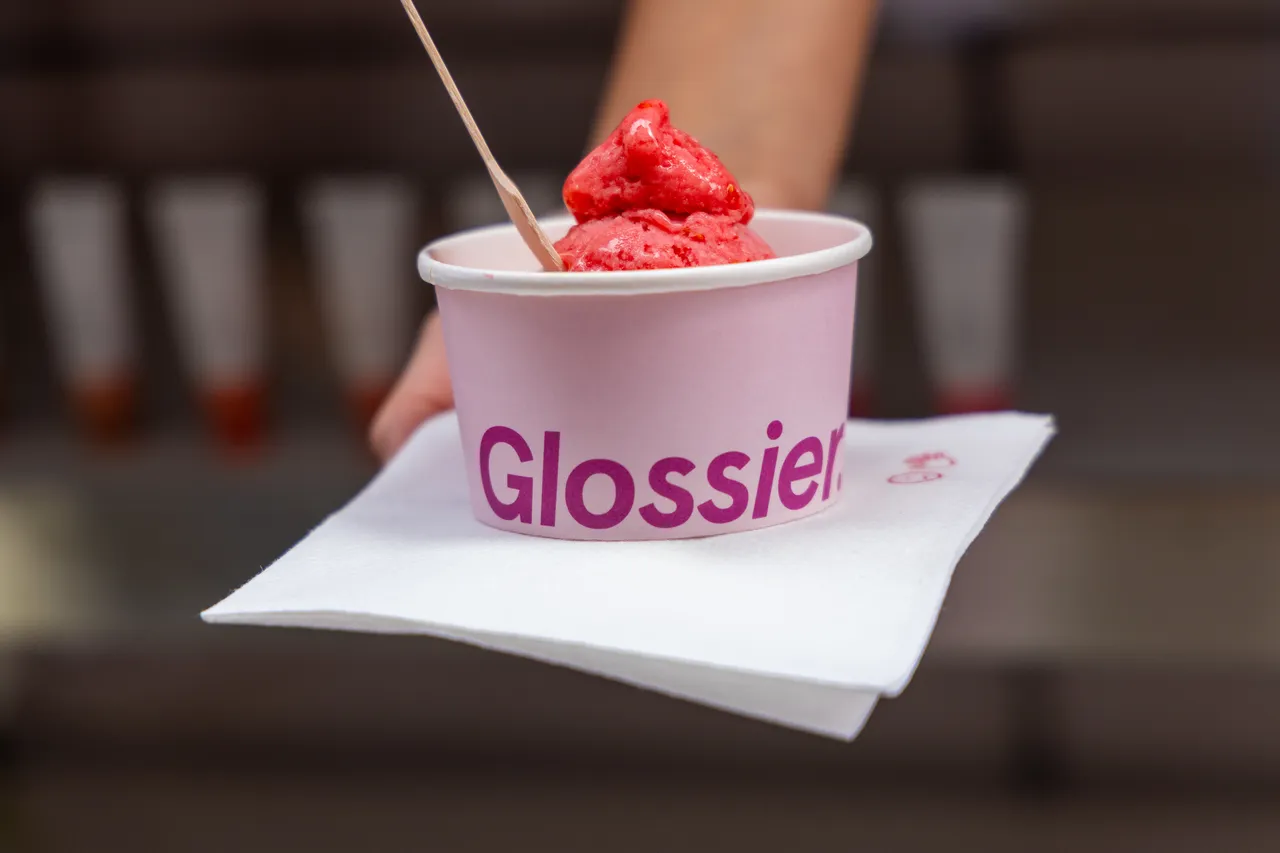
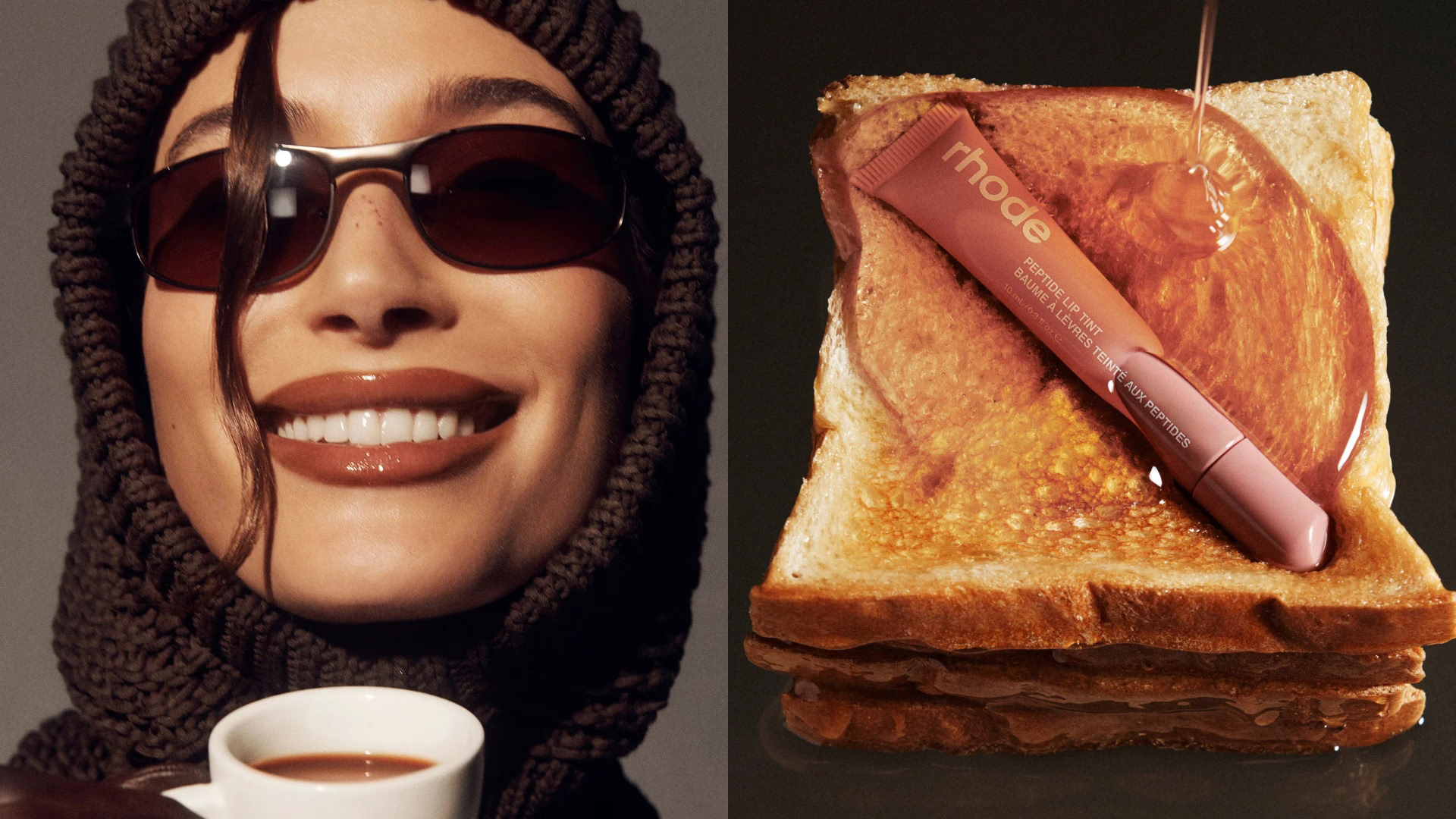

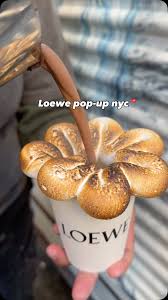
Beauty is moving beyond visuals alone. In 2026, sensorial and emotional experience matter just as much as efficacy.
We’re seeing:
Multi-sensory storytelling (touch, scent, sound, ritual)
Minimalist design paired with personalization
Niche, playful, and even unserious expressions of beauty
Cross-industry collaborations that actually make sense
At the core is a deeper desire for emotional resonance. Consumers are seeking comfort, individuality, and products that feel like they were made for them, not for everyone.
Beauty is becoming less about perfection and more about presence.
This shift reflects a broader cultural move toward grounding and self-connection in an increasingly overstimulated world. As algorithms accelerate consumption and sameness, consumers are gravitating toward brands that slow them down through ritual, texture, sound, and sensory cues that invite presence rather than performance. These experiences don’t just enhance the product; they create meaning around it. In 2026, sensorial design isn’t about indulgence for its own sake. It’s a way for brands to signal care, thoughtfulness, and emotional intelligence. The brands that succeed will be those that understand how people want to feel when they use a product, and design every touchpoint to support that experience.
What This Means Going Forward
2026 is about stronger foundations, not louder marketing. Brands don't need to "cut through the noise." They need to connect authentically and in alignment with their core values.
Across the industry, four signals are becoming clear. Expert-led authority is replacing aspirational hype. Celebrity alone is no longer enough without substance, proof, and care. Brands are launching, consolidating and refining with intention, choosing focus over excess as the market tightens. And sensorial, emotionally resonant experiences are becoming just as important as product efficacy, reflecting a deeper desire for presence, personalization, and meaning.
The brands and creators who will thrive are those who respect the intelligence of their audience, prioritize education and performance, build trust before asking for loyalty, and create experiences that feel human, intentional, emotionally grounded, and in alignment with what their audience already knows, values, and trusts about the brand.
For founders, this requires a shift in mindset. Before launching, scaling, or rebranding, the questions must change: What problem does this product actually solve? Can the brand clearly explain why it works and who it’s for? Has the brand intentionally and inclusively considered the end-user, and how this product becomes a meaningful part of their daily life?
In 2026, trust is the real currency. The brands that invest in earning it—thoughtfully, inclusively, and over time—are the ones that will endure.
Sources
Celebrity Brands, Credibility & Market Expectations
The Daily Star — Has the Era of Celebrity-Owned Brands Come to an End?Maisha Islam Monamee, July 26, 2025(Referenced in discussion of shifting expectations around celebrity-backed brands)
Brand Closures & Market Contraction
Beauty Independent — reporting on beauty brand closures and market saturation
Public founder statements and industry coverage regarding the closure of Ami Colé (2024–2025)
Community-Led & Transparency-Driven Brand Building
Beauty Independent — coverage of community-first and founder-led growth strategies
CurlMix — #ProtectCurlMix campaign documentation, founder interviews, and social media content
Public interviews and Instagram content from Kim Lewis
Emerging Brands & Community-First Launch Strategies
Soft Rows — brand website, editorial platform, and social media contenthttps://www.softrows.com
Beauty Independent — coverage of Soft Rows’ positioning and participation in Sephora Accelerate
Public interviews and brand storytelling from Quani Burnett
Sensory & Emotional Experience in Beauty
Vogue Business — reporting on sensory design, experiential beauty, and emotional connection as drivers of brand loyalty
Brand-led examples and observed industry shifts referenced throughout the post


Comments